Guides
Learn how prediction markets work with in-depth guides covering Polymarket, trading strategies, political forecasting, crypto markets, and probability-based event trading.
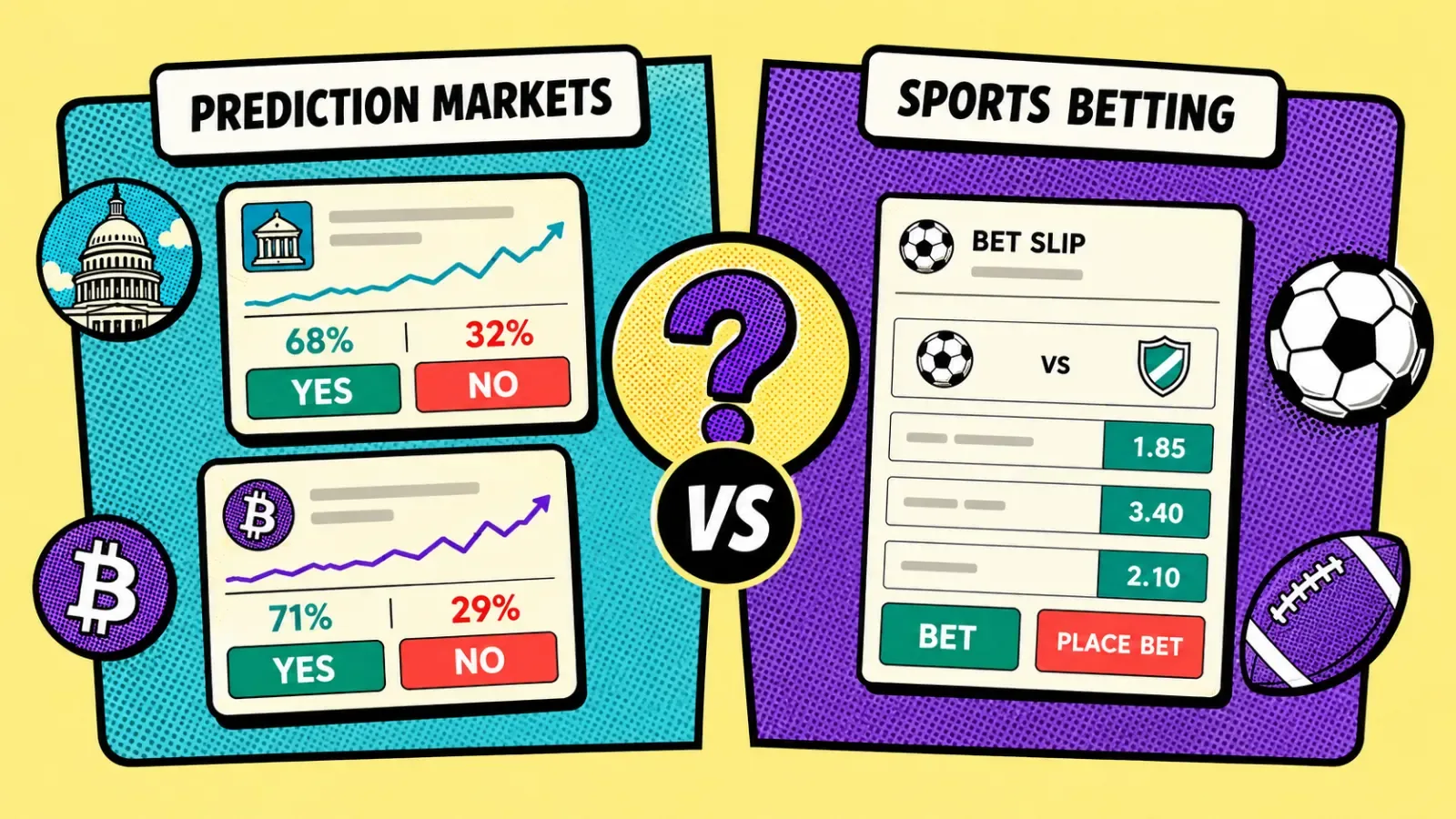
Prediction markets and sports betting may look similar at first glance, but they operate differently. Explore how forecasting markets compare to traditional sports wagering and why the distinction remains debated.
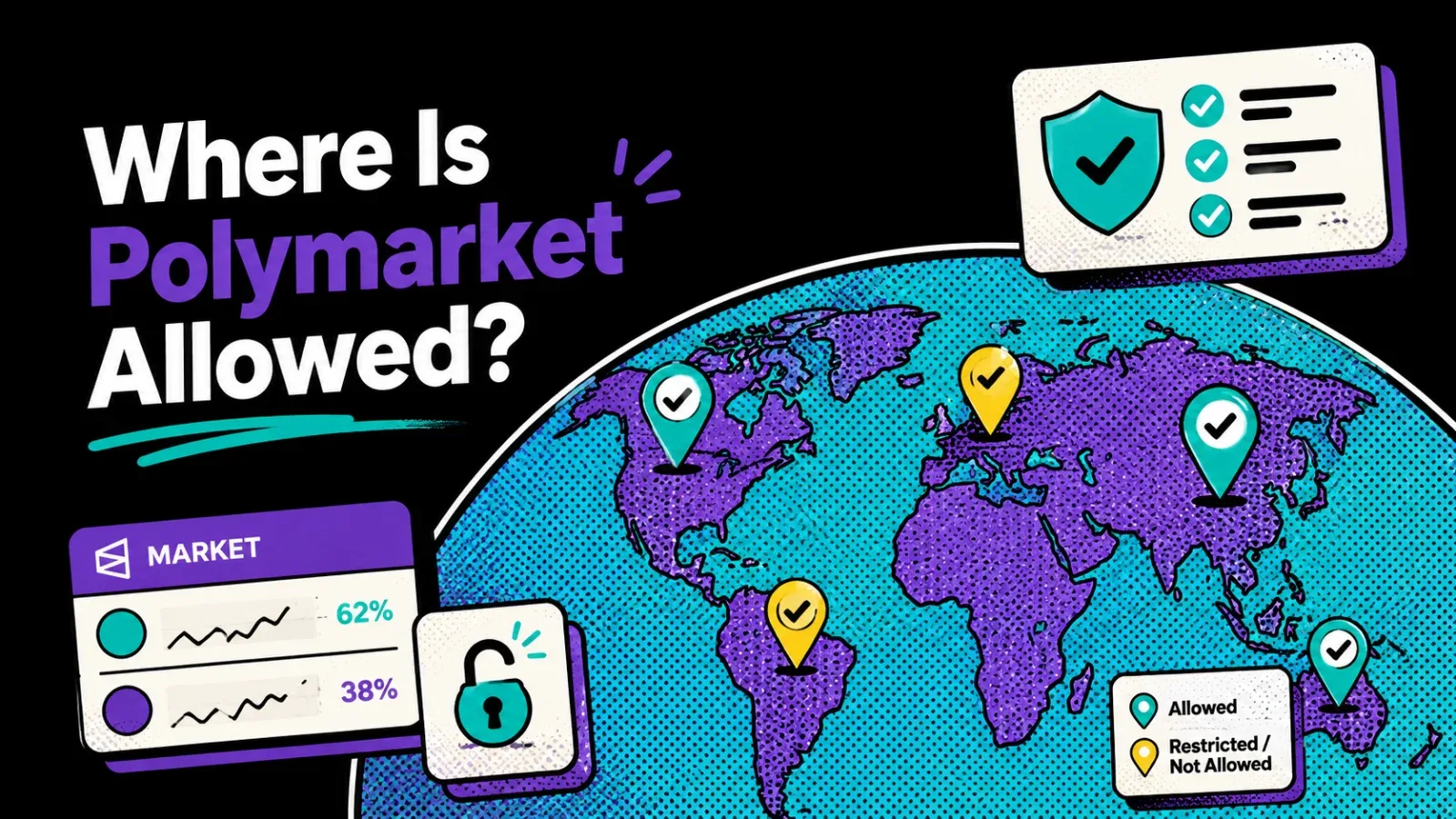
Explore Polymarket geographic restrictions, regional availability, and how regulation affects access to prediction market platforms across different countries.
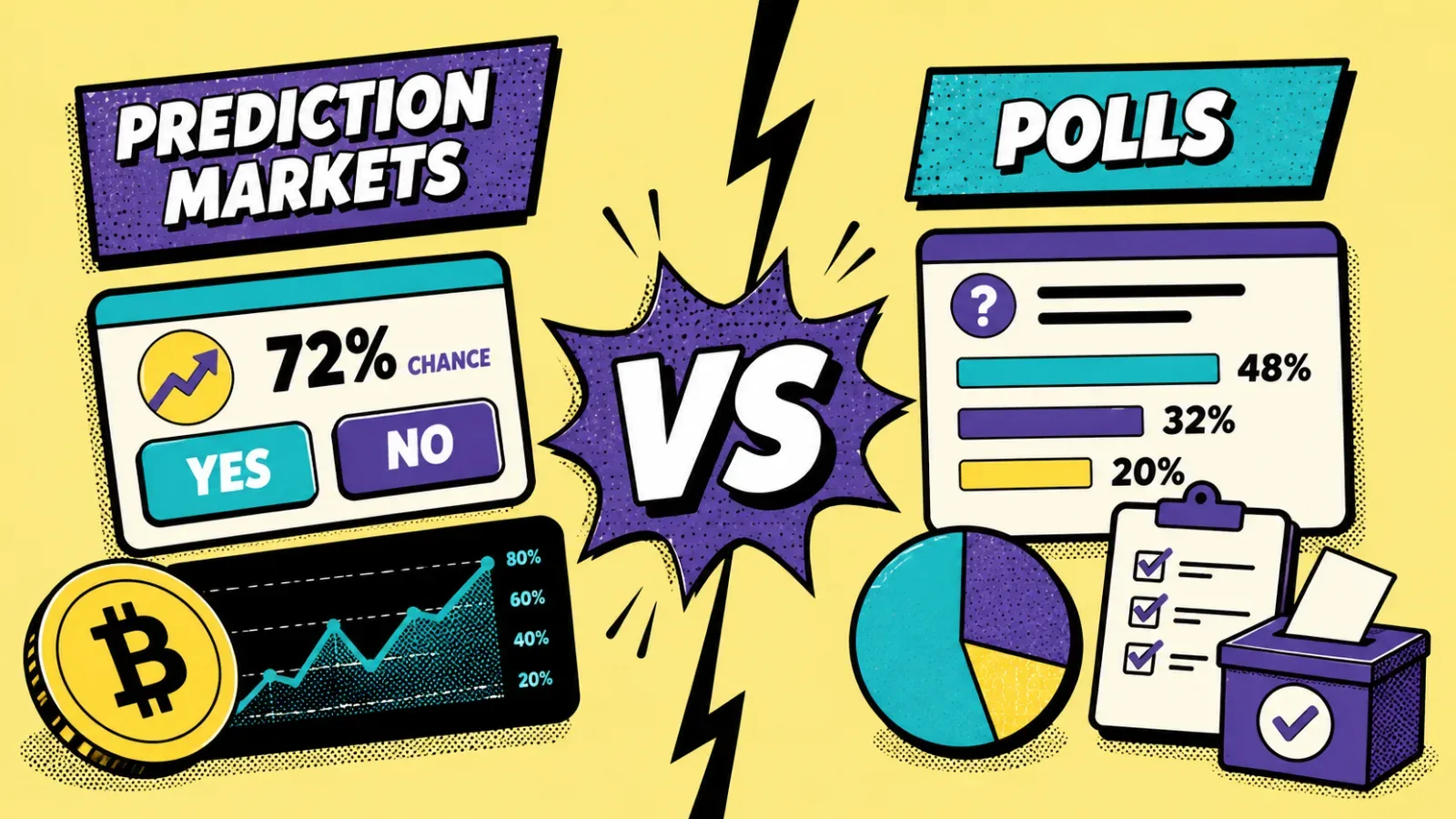
Learn how prediction markets and public opinion polls differ, why they sometimes disagree, and how crowd psychology, social media, and forecasting systems shape public expectations.
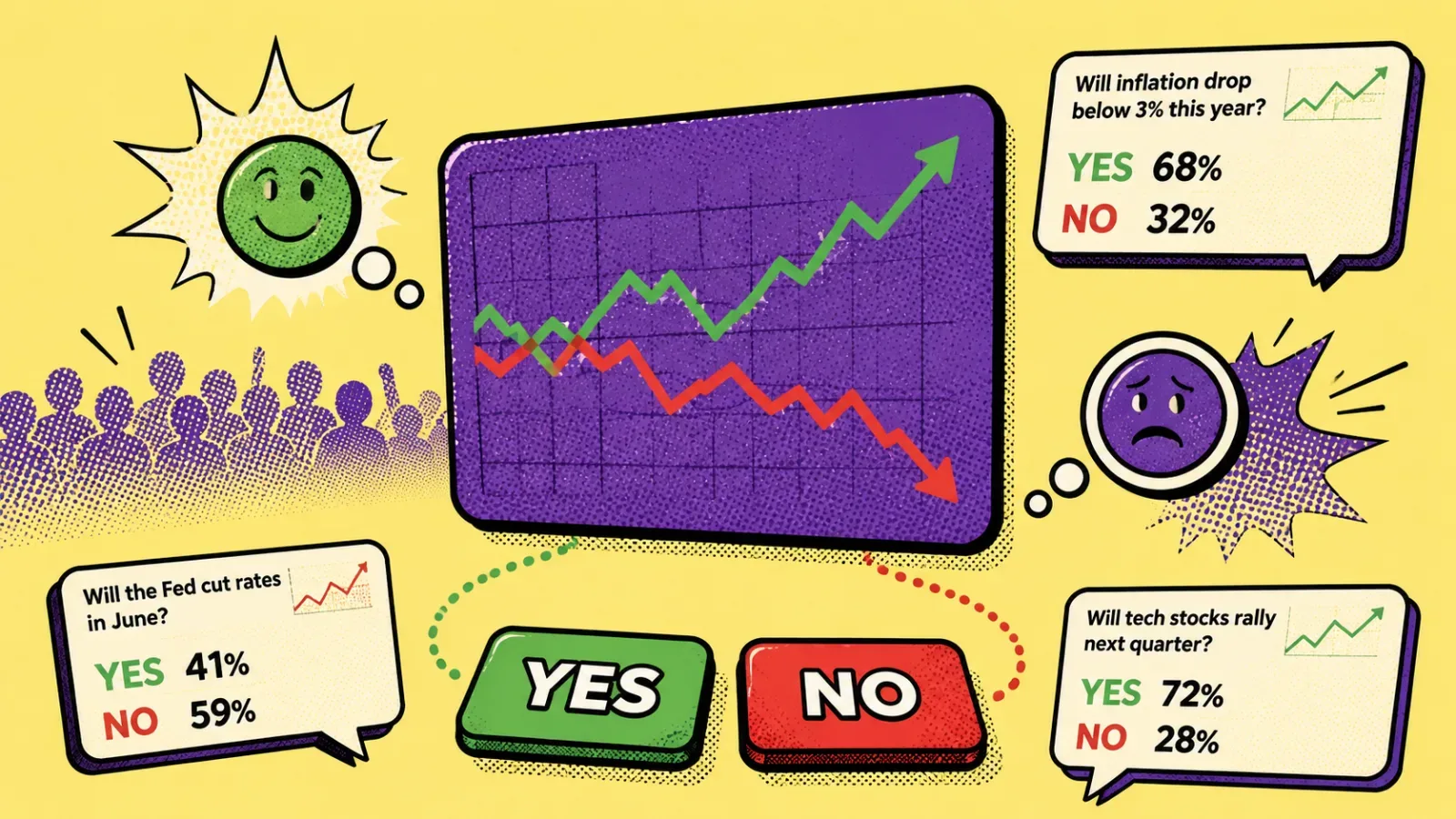
Discover how prediction markets react to volatility, social media narratives, emotional crowd behavior, and breaking news across politics, crypto, AI, sports, and global forecasting events.
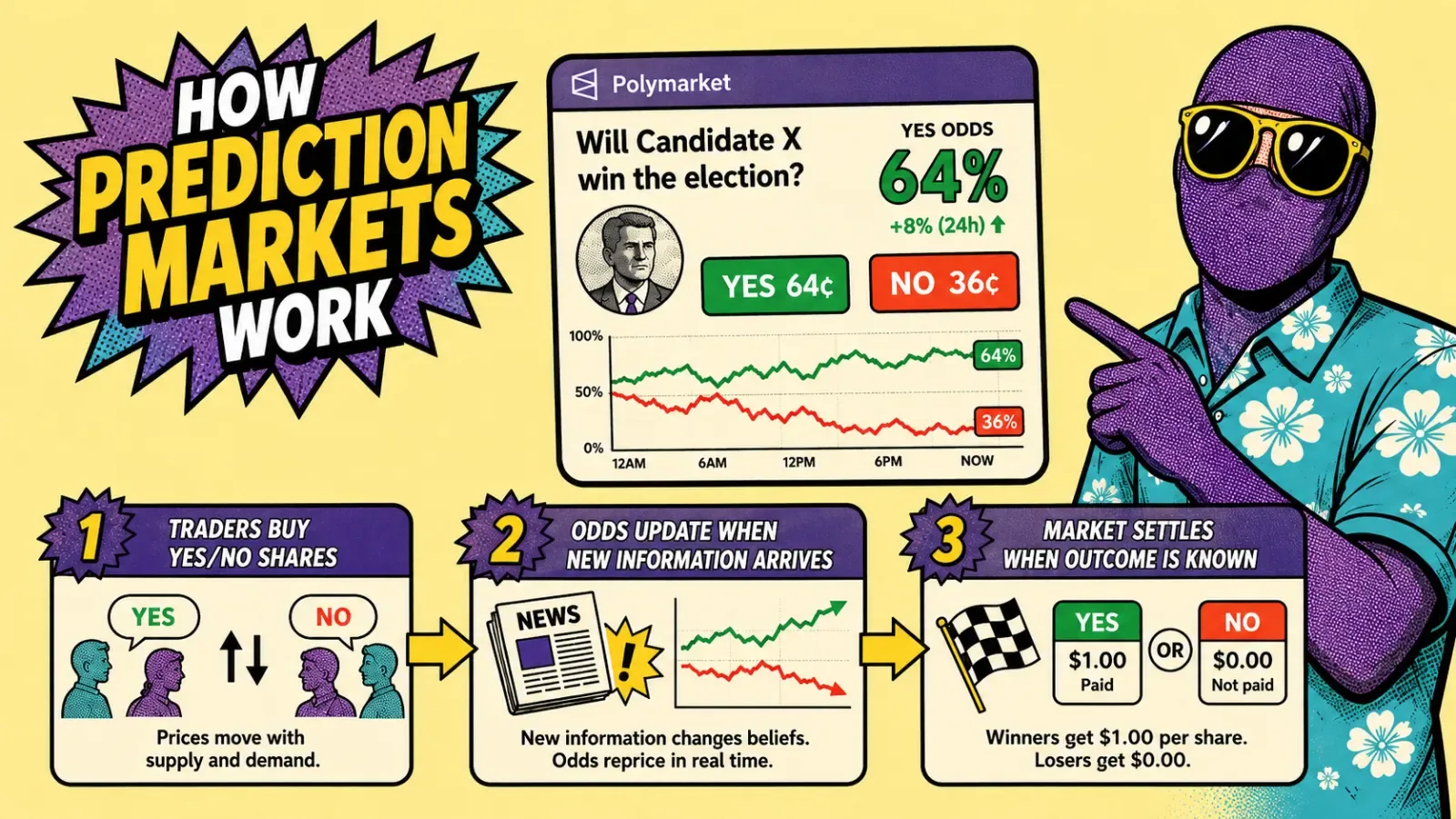
Discover how prediction markets function, how crowd forecasting works, and why probability-based markets have become a real-time forecasting system across politics, crypto, AI, sports, and global events.
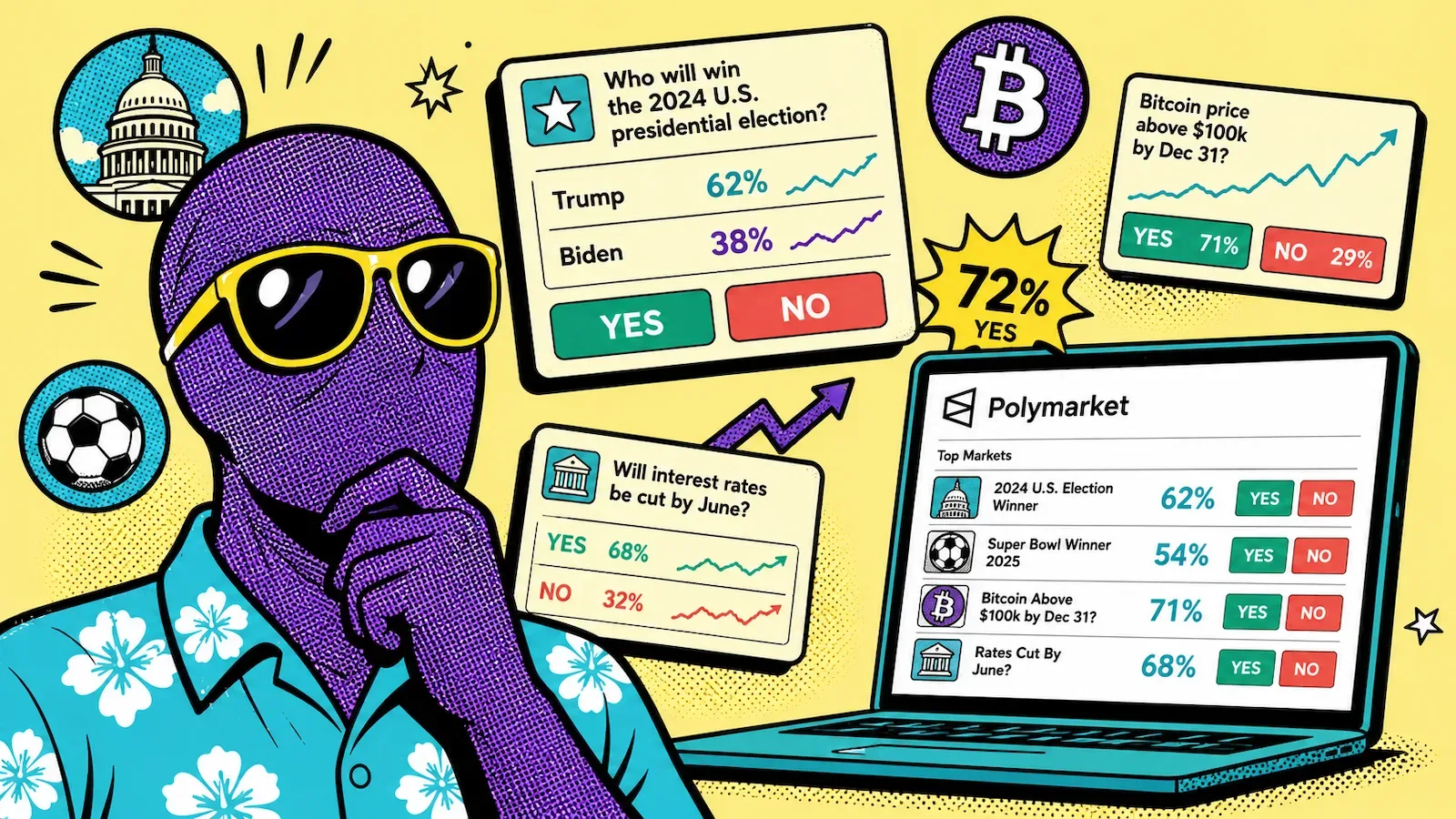
Learn how Polymarket works, how prediction markets function, how traders make money, and why political and crypto event trading has exploded in popularity.
Guides
Prediction market guides help users understand forecast markets, probability trading, event-based forecasting, Polymarket-style market structure, and practical research workflows.
Prediction market guides help users understand how forecast markets, probability trading, and event-based forecasting systems work.
As prediction markets continue growing across politics, crypto, sports, finance, and technology, more users are searching for practical explanations that go beyond simple betting concepts.
Many beginners first discover prediction markets through major categories like politics prediction markets or crypto prediction markets before learning how probability-based trading systems actually function.
Prediction market guides usually focus on practical forecasting concepts rather than theoretical explanations.
Unlike traditional betting tutorials, prediction market education often focuses heavily on probability thinking, information flow, timing, volatility, and crowd sentiment.
Beginner prediction market guides usually explain how to open positions, how probabilities work, how traders buy YES and NO shares, and how market pricing changes. Users exploring economy prediction markets often need to understand how economic reports affect probability movement before trading macroeconomic events.
More advanced guides typically focus on probability mispricing, risk management, volatility, market timing, and information asymmetry. Strategy-focused education becomes increasingly important during elections, financial crises, crypto news cycles, and major sports tournaments.
Prediction markets look simple at first glance. In reality, successful forecasting often requires discipline, probability thinking, emotional control, and information analysis.
Many beginners make the mistake of treating prediction markets like traditional gambling.
Experienced traders usually approach them more like information markets, probability systems, and sentiment-driven trading environments.
This difference becomes especially important during volatile events where probabilities move rapidly after breaking news.
Some users spend weeks following markets before placing their first trade simply to understand how crowd expectations evolve in real time.
Prediction market education has expanded significantly around political forecasting, crypto event trading, AI-related markets, macroeconomic forecasting, and sports prediction systems.
At the same time, AI-driven news cycles and social media acceleration have made probability movement faster across nearly every category.
This is one reason many traders study both technology prediction markets and world event prediction markets together, especially during major global news events.
Prediction market education focuses more heavily on probability shifts, market reactions, sentiment analysis, timing, and volatility rather than simply predicting winners and losers.
| Traditional Betting Guides | Prediction Market Guides |
|---|---|
| Focus on odds | Focus on probabilities |
| Mostly entertainment-based | Information and forecasting focused |
| Limited flexibility | Dynamic position management |
| Outcome prediction only | Probability movement analysis |
Prediction markets are not only about being correct. Timing and probability pricing matter just as much.
Markets can move extremely quickly during elections, crypto crashes, AI announcements, sports finals, and geopolitical conflicts. Many beginners underestimate how emotional crowd sentiment becomes during major events.
Some users immediately start trading without observing how probabilities move during real events. Watching markets first often helps beginners avoid emotional mistakes later.
| Guide Category | Examples |
|---|---|
| Beginner Guides | What prediction markets are |
| Trading Guides | How YES and NO shares work |
| Strategy Guides | Risk management and timing |
| Political Forecasting Guides | Election and geopolitical markets |
| Crypto Forecasting Guides | Bitcoin and blockchain event markets |
Prediction market guides explain how forecast markets, probability trading, and event forecasting systems work.
Beginner guides usually explain probability trading, YES and NO shares, market pricing, and forecasting basics.
Strategies help traders manage volatility, emotional decision-making, risk exposure, and probability analysis.
Prediction markets are relatively easy to understand technically, but mastering probability thinking and emotional discipline takes time.
Guides commonly cover politics, crypto, finance, sports, technology, macroeconomics, and forecasting psychology.
Prediction market guides combine forecasting education, probability analysis, crowd psychology, and event-driven trading concepts into a growing educational ecosystem around modern forecasting markets.
As prediction markets continue expanding across politics, crypto, sports, technology, and global events, educational content is becoming increasingly important for users trying to understand how real-time probability systems actually work.